Is Karate Good for Kids? Main Benefits and Potential Concerns
By Mo-ichido England • Updated 2025
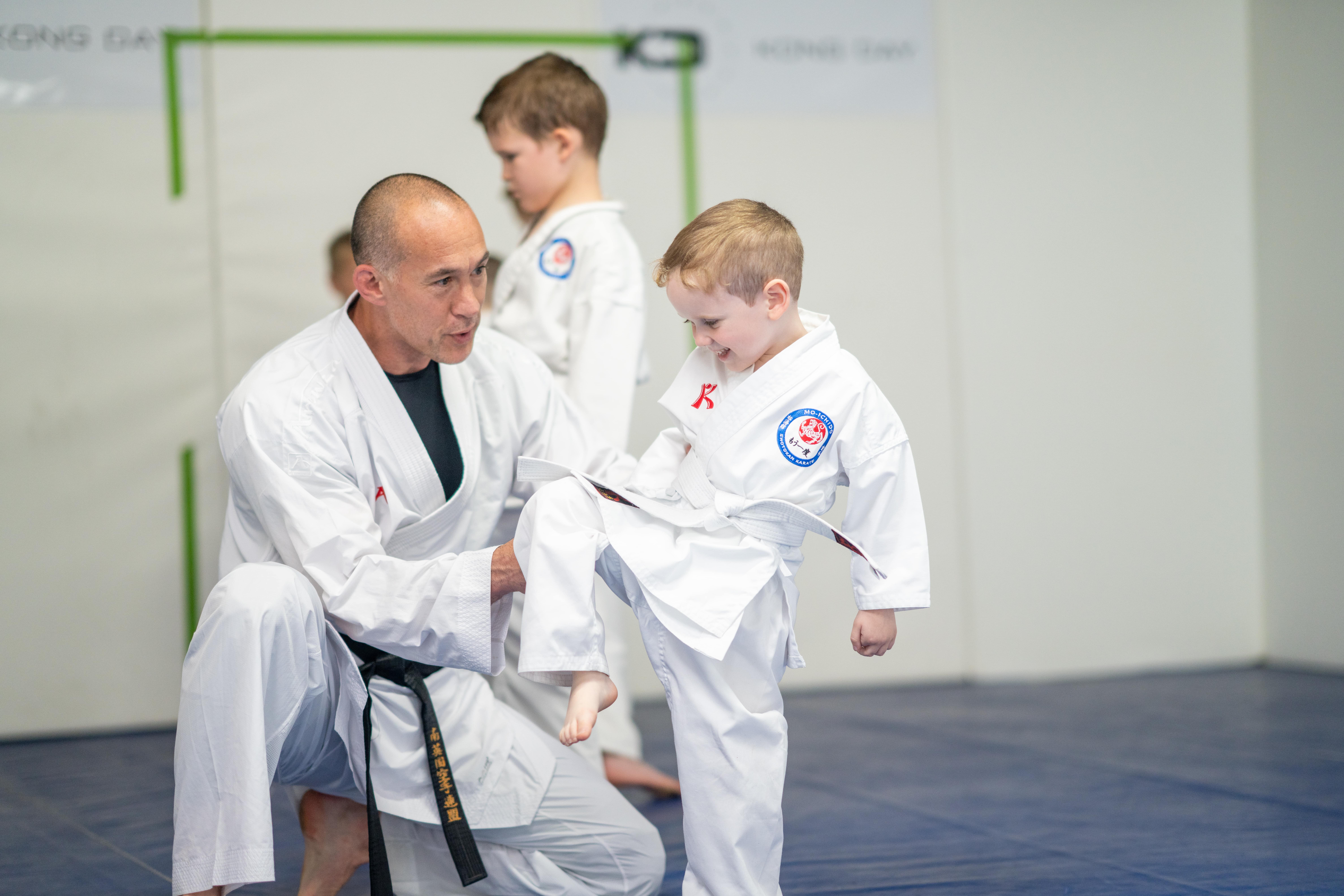
Parents often ask whether Karate is suitable for children. The truth is that, when taught responsibly, Karate is one of the most positive and well-rounded activities a child can take part in. Below is a factual look at the real benefits and the genuine concerns parents sometimes raise.
Main Benefits of Karate for Children
1. Confidence and Self-belief
Karate uses a structured belt system that allows children to see progress clearly. Each new skill learned and each grading passed builds confidence and gives them a sense of achievement.
2. Focus and Behaviour
Many parents report improvements in attention, listening and behaviour. Karate lessons require children to follow instructions, concentrate for short periods and show respect to instructors and other students.
3. Physical Fitness and Coordination
Karate helps develop strength, coordination, balance and flexibility. Because training is active and varied, children gain fitness without it feeling like exercise.
4. Respect and Discipline
Bowing, etiquette and structured learning teach children how to behave respectfully in a group environment. This often carries over into school and home life.
5. Self-defence Skills
While the goal is never violence, Karate teaches children awareness, body control and how to protect themselves if they ever needed to. Most importantly, they also learn when not to use force.
Potential Concerns (and the Real Facts)
1. “Will my child become aggressive?”
Research and experience show the opposite. Children who learn Karate in a structured environment tend to become calmer and more controlled, because discipline and respect are built into every lesson.
2. “Is Karate safe?”
When run properly, Karate is very safe. Training for children focuses on form, coordination and light contact at most. Protective equipment is used when necessary, and instructors maintain strict supervision.
3. “What if my child isn’t sporty?”
Karate is highly adaptable and taught step-by-step. Many children who struggle in team sports thrive in Karate because the focus is individual progress rather than competition with others.
4. “What age should kids start?”
Most children do well starting between ages 5–7, although some clubs offer younger age groups. What matters most is readiness, attention span and comfort in a group environment.
Is Karate Right for Your Child?
If you want an activity that improves confidence, behaviour, physical fitness and self-discipline, Karate is an excellent choice. It supports children not only in training, but in school and everyday life.
Try a Class at Mo-ichido England